
This may not be the best job in the world, but it's the only one I have.Welcome to my BLOG.


|
Aspirin may save lives!
Saturday, June 6, 20097:03 PM
0 comments
I just received an informative email and thought that this may be of help to all my blog readers.
Question : Why Aspirin by your bedside ? Answer : There are other symptoms of heart attack besides the pain on the left arm. One must also be aware of an intense pain on the chin, as well as nausea and lots of sweating, however these symptoms may also occur less frequently. NOTE : There may be no pain in the chest during a heart attack. The majority of people (about 60%) who had an heart attack during their sleep, did not wake up. However, if it occurs, the chest pain may wake you up from your deep sleep. If that happens, IMMEDIATELY DISSOLVE TWO ASPIRINS IN YOUR MOUTH and swallow them with a bit of water. Afterwards, phone a neighbour or a family member who lives very close by and state "HEART ATTACK!!!" and that you have taken 2 ASPIRINS . Take a seat on a chair or sofa and wait for their arrival and .... DO NOT LIE DOWN !!! A Cardiologist has stated that, if each person, after receiving this e-mail, sends it to people, probably a life can be saved! So I decided to post this message in my blog. I find this one really helpful and THIS MAY SAVE LIVES! 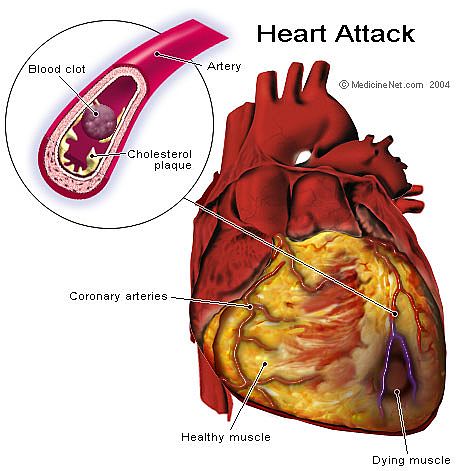 FACTS: • What is a heart attack? = A heart attack (also called myocardial infarction) is when part of the heart muscle is damaged or dies because it isn't receiving oxygen. It can also be caused by a blood clot that gets stuck in a narrow part of an artery to the heart. • How do I know if I'm having a heart attack? =Feel a pressure or crushing pain in your chest, sometimes with sweating, nausea or vomiting • Risk factors for a heart attack =Smoking • How can I avoid having a heart attack? =Quit smoking. =Eat a healthy diet. =Control your blood sugar if you have diabetes. =Exercise. =Lose weight if you're overweight. =Control your blood pressure if you have hypertension. source:Written by familydoctor.org editorial staff. Labels: health
|
|
|
Flu outbreak continues to affect peoples’ lives
Wednesday, May 27, 20096:56 PM
0 comments
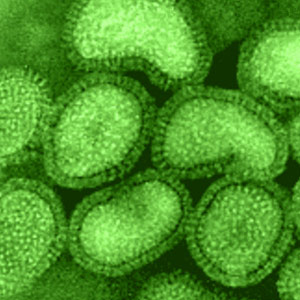 Influenza Virus Influenza VirusLatest Update: WHO (World Health Organization) is monitoring and compiling surveillance data or case reports and continues conducting ongoing investigations of this worldwide outbreak. As of 06:00 GMT, 27 May 2009, 48 countries have officially reported 13,398 cases of influenza A(H1N1) infection, including 95 deaths. Laboratory-confirmed deaths of new influenza A(H1N1): Canada = 921 cases , 1 death Costa Rica = 33 cases , 1 death Mexico = 4541 cases , 83 deaths United States of America = 6764 cases , 10 deaths As of May 27, the virus had spread to more than 50 countries; however, over 80% of reported deaths have taken place in Mexico. This has led to speculation that Mexico may have been in the midst of an unrecognized epidemic for many months prior to the current outbreak. Source: World Health Organization Wikipedia At present, scientists simply do not know why the virus have caused death in adults between ages 20 and 40 for the most part. One valid possibility has to do with antibody cross-reactivity(the ability of an antibody generated from previous exposure to an antigen to react with a similar antigen on the new strain of virus). And why older people? Because they have been alive longer and have been exposed to more antigens than younger individuals, may possess a sort of “background immunity.” And because younger people do not have this immunity, they may be more naive to severe illness. Source: Encyclopedia Britannica Facts: ☻H1N1 = H (hemagglutinins), N (neuraminidases) ☻Symptoms = sudden fever, muscle aches, headache, lack of energy, sore throat, runny nose, fever and body aches last 3 to 5 days, sometimes vommiting, nausea and diarrhea ☻ How you'll get the flu? = generated by coughing, sneezing, talking, spitting distance, contaminated hands or surface, and microscopic droplets ☻Origin = typically swine catch Influenza A from pigs, but can be infected with strains from birds and humans NOTE: can't catch it by eating pork ☻How it is treated? = can be treated with antivirals that are neuraminidase inhibitors Source: The Center for Biopreparedness Education  Labels: health
|
|
